
Ominous Mirrors
A Lucid Look at LABOR

Few video art projects paint a more vivid portrait of the inequities embedded within the US labor force than Josh Kline’s Blue Collars series. Written and directed by the filmmaker, sculptor, and photographer, a section of the series was screened in the Nave Presentation Space, settling an audience of dozens into a somber silence the moment it graced the screen. Following an introduction by Wattis Director and Chief Curator Daisy Nam, the lights dimmed as the speakers echoed opening statements by Jenn: the subject of Kline’s Applebee’s Waitress Interview, 2016-18.
The twenty-minute interview with Jenn was part of a broader set of videotaped conversations with people that worked in hospitality across the country. Over the course of several years, Kline asked dozens of housekeepers, servers, bartenders, store managers and delivery workers to share details about their lives: from mundane on-the-job experiences to toxic work environments, at-home responsibilities, financial budgets, and even their loftiest dreams and ambitions.
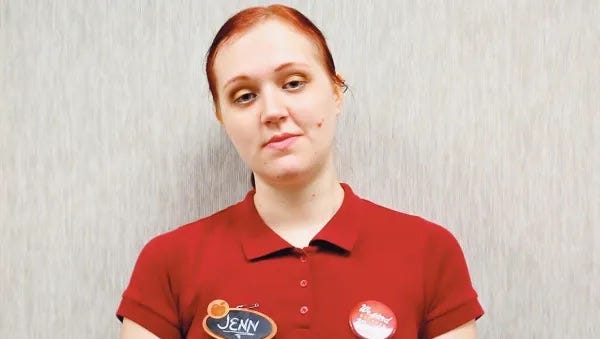
Jenn, a 22-year-old waitress at Applebee’s, appeared on screen in a close up shot that held a firm frame from the middle of her torso to just a few inches above her scalp. Her burgundy hair complimented her scarlet red-collared shirt, which sported her name tag pin on the right side while the opposite end held the restaurant chain’s logo stitched into it. Speaking directly into the lens of the camera, Jenn narrated, with harrowing details, some of the heinous conditions that employees in the service sector endure on a daily basis.
The first challenge she spoke about was the issue of unfair wages. As a waitress in Baltimore, Jenn earned an hourly wage of $2.35, five dollars below the national average at the time. She spoke of the dire exhaustion that derives from having to work twelve hour days on average, with a measly twenty-five minute break that separated her shifts. Heavily reliant on unpredictable tips to cover living expenses like rent. groceries, and public transportation, she detailed that by the end of each month there was usually only “a couple dozen bucks” leftover. Just minutes into the interview, Jenn’s chronicle quickly painted a bleak canvas of despair and candidly addressed the broadening gap between stability and struggle. A breach that widened the more she spoke.
She further detailed the instance when her arm broke during an accident at work. Unable to seek proper care due to not having health insurance, she was forced to take matters into her own hands, and improvised a bandage utilizing torn t-shirt material. She said she simply placed ice on the broken wound for several weeks as she propped her arm in a sling whenever walking around her home for the first few weeks — in agonizing pain. Since she couldn’t afford to take time off from work, she had no choice but to quickly return.
She was forced to utilize just one arm as she served patrons at Applebee’s. She operated in this fashion for months, and somehow managed to find a sense of joy within the journey, jokingly detailing how her healthy arm began to feel like Popeye the Sailor Man’s arms after eating spinach. She conveyed that her healthy arm was disproportionately muscular in comparison to her broken arm. When Jenn approached her manager seeking assistance, she asked for any healthcare resources that could help her get her arm treated properly. Not only was she shunned away—her job was threatened. And since she knew that a plethora of workers would line up to replace her at the restaurant, she was boxed into a corner that felt inescapable and suffocating. She said that her arm has never been the same since, and likely never would.
Undoubtedly grim and somber, Jenn’s story pierced a hole into the fabric of this country. Josh Kline’s decision to have Jenn chronicle her day-to-day life was brilliant in its exposure of neoliberalism’s structural failures. By asking a simple set of questions to a worker in the hospitality sector, the interview acted as a mirror in the face of the most sinister system in the US: capitalism.
Kline spoke about the anti-capitalist stance embedded deep into the heart of his work during the conversation that followed the screening. I took fond note of his decision to let the work speak for itself, rather than voice a disclaimer about the film before it began. Screening Blue Collars was poignant as it illuminated the stark surrealism of the issues with labor during 2016 — problems that could easily be applied to the state of the workforce today in 2026. Practically everything about the interview was subtle: the camera angle, the tone in which Jenn spoke, even the mundane details of her life like watching Netflix films or going out for ice cream whenever she could afford it. Her lack of healthcare, inefficient wages, and living conditions that erode one’s sense of humanity were barriers that shouldn’t exist.
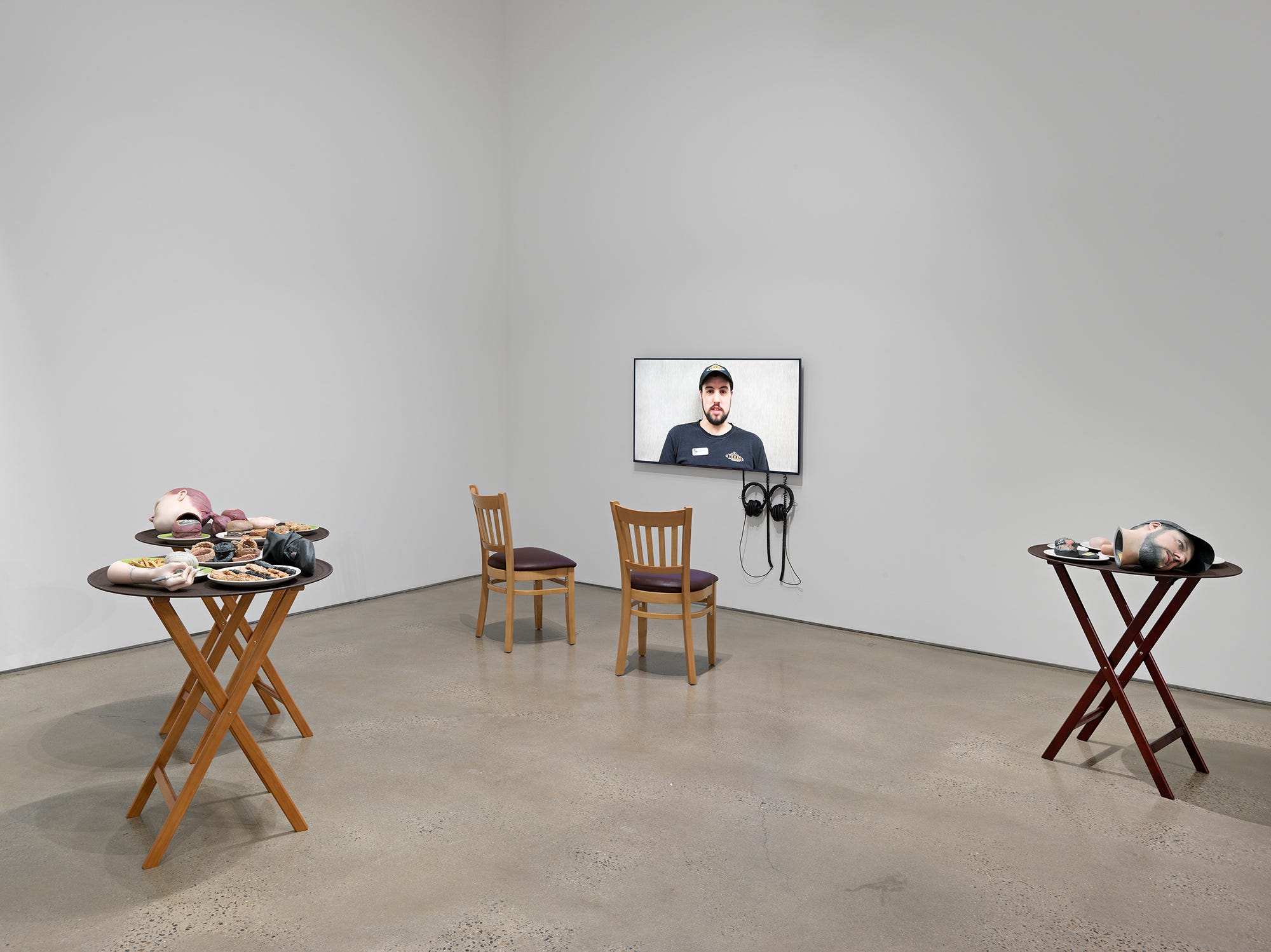
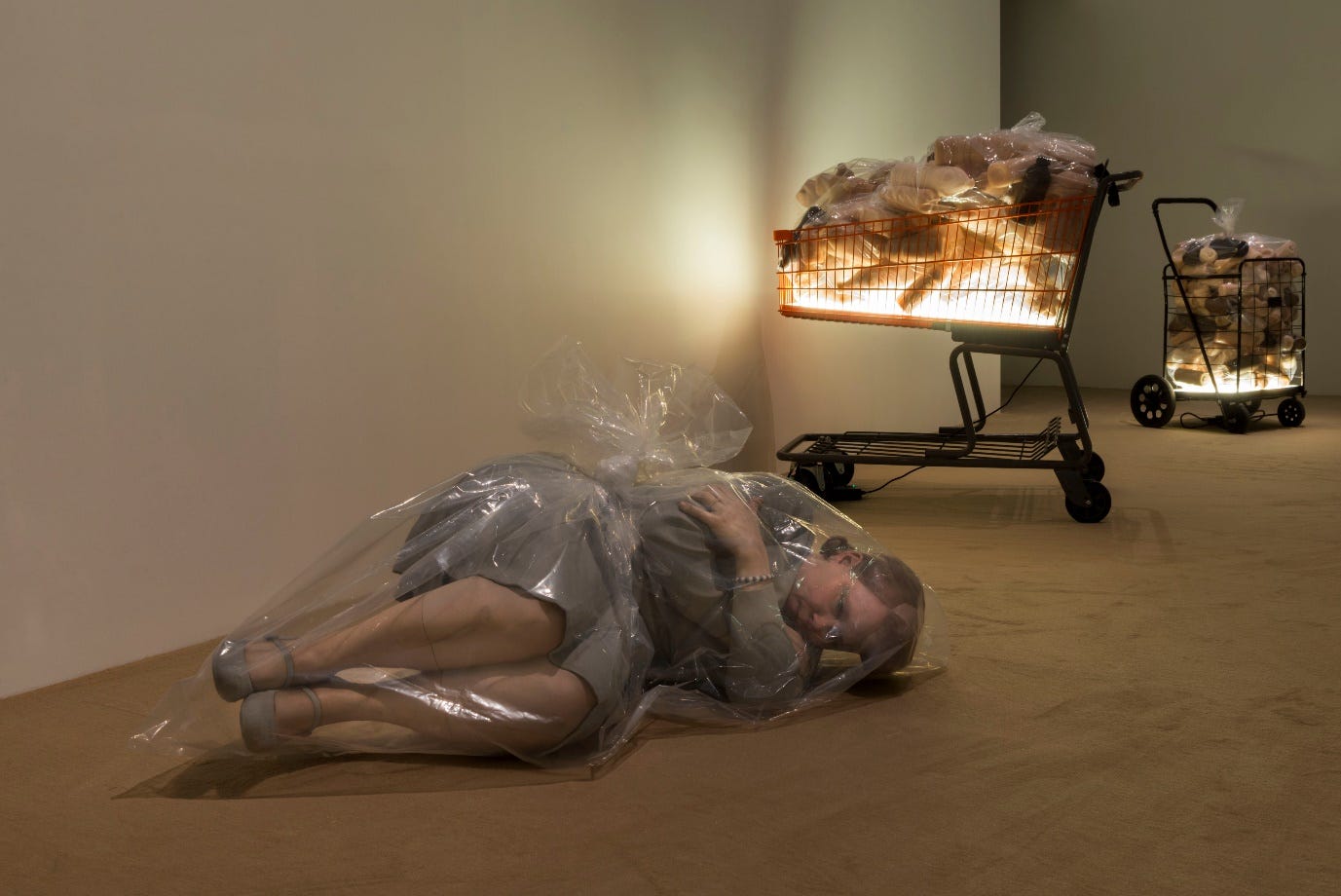
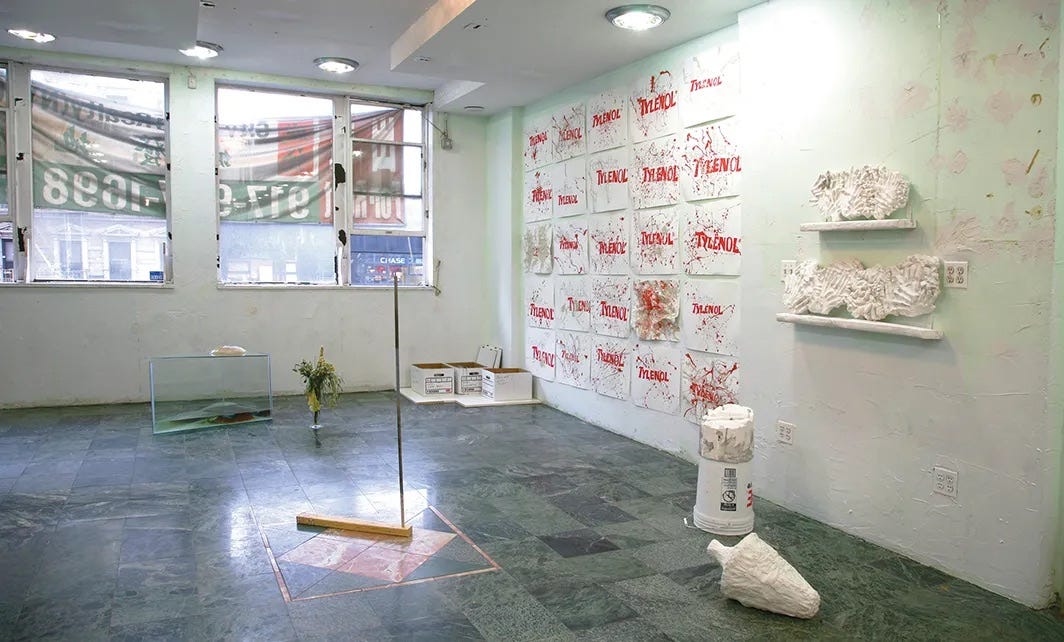
Kline’s Blue Collars series, part of the Wattis’s LABOR research season, directly addressed workforce inequities under the capitalistic system. Shining a lens on work and class at its core, Kline’s other works dive deep into the soil of today’s most urgent social and political issues: climate change, health care, artificial automation, and the erosion of democracy. Components that directly impact the people who make up the labor force. He holds up a mirror to society. While his work might come off as rigidly pessimistic, there’s vitality in his truth telling, especially in his film. Honesty, he said, has “often served as a form of rebellion” against destructive systems.
This sentiment proved most interesting when reflecting on Jenn’s gaze as she spoke into the camera at the tail end of the interview. She expressed something totally unexpected, considering her story of overcoming relentless obstacles and hardships. When asked about her outlook for the future and her place in the labor force, she offered a curt comment: hope.